Oregon Faces Scrutiny Over One-Of-A-Kind Hurdles to Children’s Health Care
federal law.
My accountability journalism spans small communities, state agencies and large institutions. This selection of watchdog stories offers recent stories and work from earlier in my career.
Jump to sections:
This story started as if often does — with a tip. Records, emails and interviews showed a systemic problem: For decades, Oregon's Medicaid system has relied upon a complex system that ranks medical conditions and treatments for eligibility. A federal waiver in place since the 1990s allowed the state to use that system for children, which led to denials of medically necessary care.
Impact: After the first story published, Oregon state health officials and the governor's office worked to rewrite and change the state policy so children would no longer be denied medical care. Internal records and emails for their meeting showed that officials reviewed the story, listing all the issues it identified.
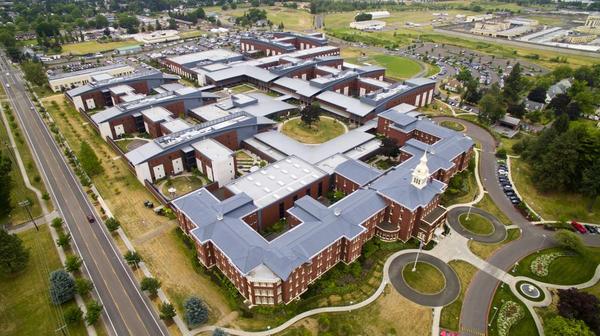
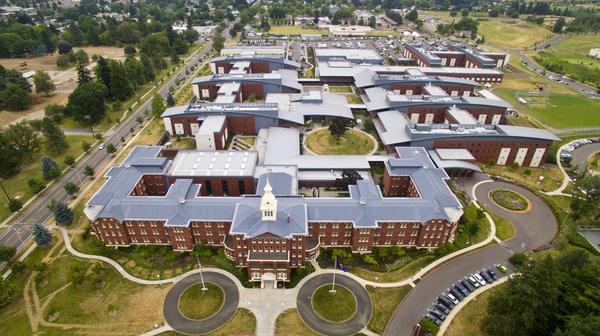
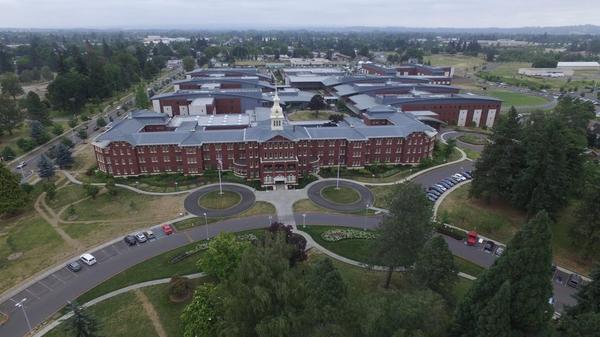
Oregon State Hospital provides psychiatric care for approximately 600 patients at any given time, most of whom are involved in the criminal justice system. Since 2019, I have reported on patient deaths, neglect, and working conditions at the state-run psychiatric hospital.
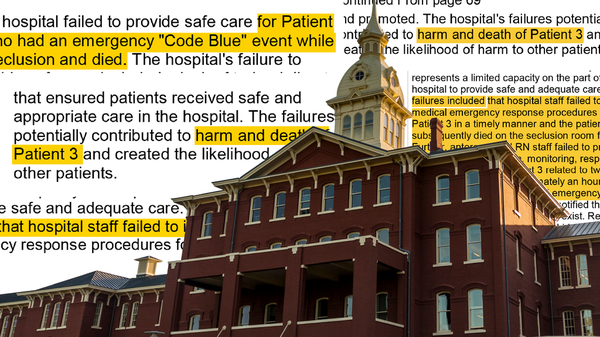
My reporting on the 2025 death of a 25-year-old patient uncovered details state officials had not publicly disclosed. Through interviews and internal records, I found the patient had spent months in a seclusion room, fell three times without staff intervention, and remained motionless on the floor for more than four minutes before staff entered to assess him.
The investigation also uncovered broader systemic concerns. Four months before the patient's death, a state-paid consultant warned hospital leadership that patients were being kept in seclusion for weeks longer than necessary. Internal records further showed hospital employees had raised concerns with the Oregon Health Authority's director about a culture of failing to follow established rules and treatment plans.
Impact: The reporting contributed to increased public scrutiny of the hospital. Oregon lawmakers held legislative hearings examining conditions at the hospital and pursued additional oversight, while the district attorney launched a grand jury investigation into broader patient care and institutional practices.

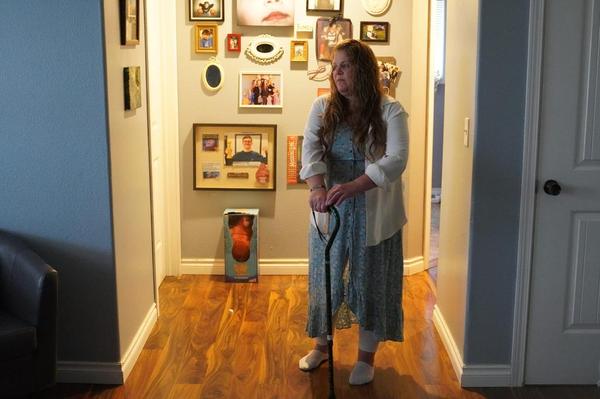
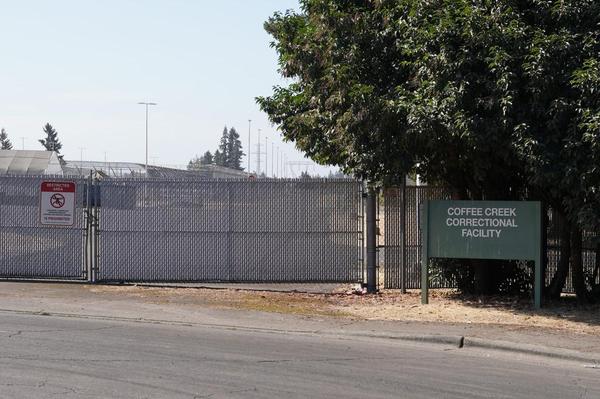
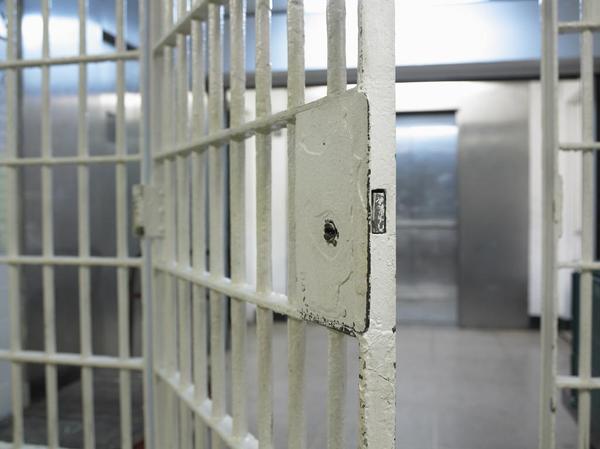
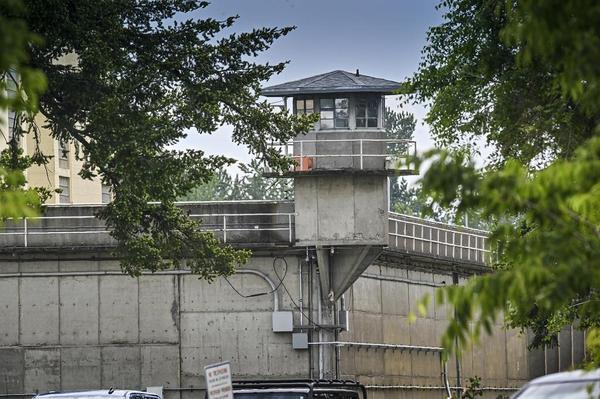
My reporting of Oregon's corrections system exposed serious problems at the state's women's prison. My reporting has examined the lack of access to health care and miscalculated sentences that illegally kept women in prison longer than their sentence allowed.
My work looks at systemic problems, often with the vantage point of individual experiences of people incarcerated in the corrections system.
Impact: After my reporting and the reporting of other outlets, state officials have taken steps to make reforms at the prison and fired two health care managers at the agency.
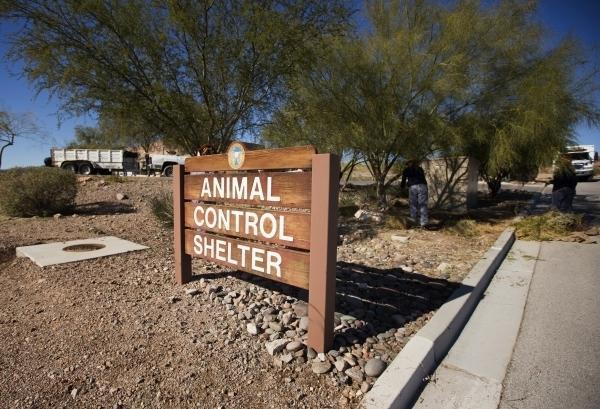
While covering local government in Southern Nevada, my reporting alongside a colleague uncovered allegations that the former Boulder City animal shelter director had needlessly euthanized animals.
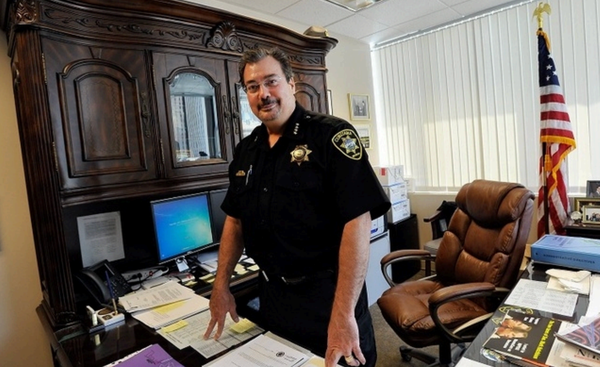
Before our first story ran, Boulder City police had investigated the allegations but chose not to refer the case to prosecutors.
Impact: After our reporting was published, residents immediately demanded accountability and city officials sent the case to the prosecutor for review. The former shelter director was later charged, convicted of animal cruelty, and sentenced to jail. The city's police chief also resigned and was later convicted of failing to perform the duties of his office.
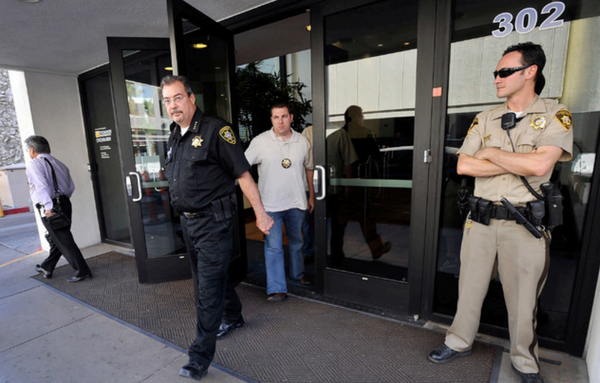
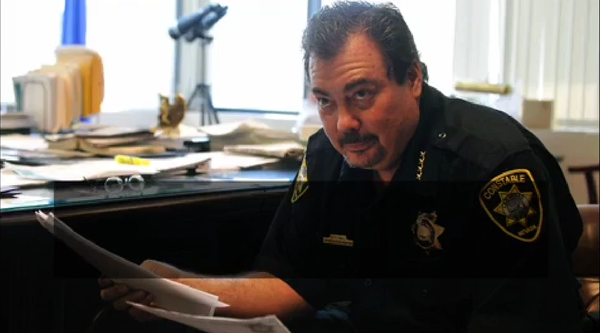
As the reporter covering Clark County government, I investigated the Las Vegas township constable's office after identifying concerns that included illegal wiretapping of phone calls and misuse of law enforcement databases.
Impact: The reporting prompted a Las Vegas Metropolitan Police Department search of the constable's offices and a state audit examining the office's use of the warrant database. The former constable was later convicted on criminal charges related to misconduct in office, including illegally recording phone calls.
While covering the education beat in Idaho, I received a tip from a community member who questioned whether a local community college's construction bidding process unfairly favored a well-connected company.
I followed the paper trail. Public records showed the college had informed a federal agency of its intent to work with the company before the project was opened to competitive bids, raising questions about the integrity of the procurement process. Additional reporting examined the college's handling of records related to the contractor selection process and its compliance with Idaho's public records law.
Impact: The investigation became a major issue in the community. In the next election, voters replaced two trustees who had served on the college board for more than 30 years with candidates who campaigned on greater oversight and transparency. The new board implemented reforms intended to strengthen public accountability.